ANCORA DOVE
Di delicatezza.
Negli sguardi
e nei sorrisi.
In ogni carezza.
Nel tempo,
per tutto il tempo.
Ancora dove
c’è cuore.
Al prossimo appuntamento di “Venerdì (in) Versi”.
Abbracci poetici!
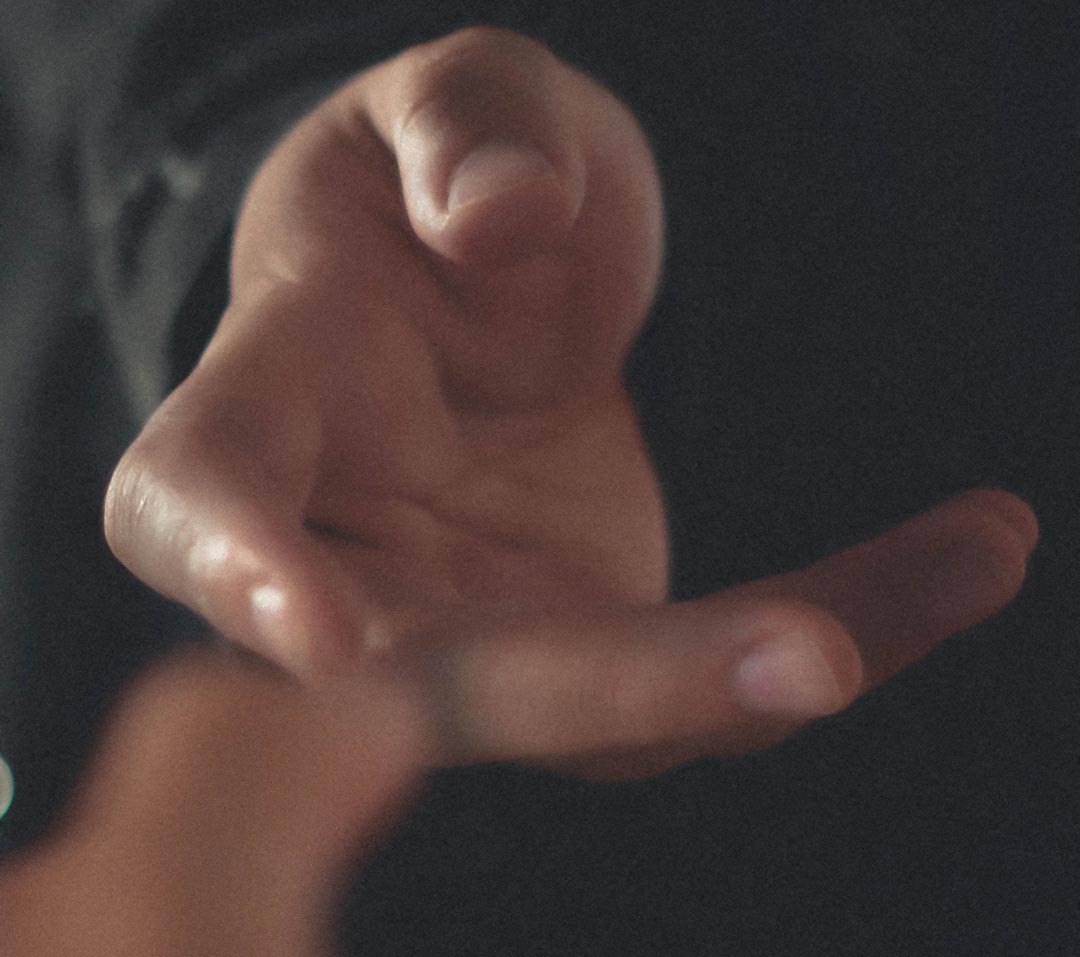
Di delicatezza.
Negli sguardi
e nei sorrisi.
In ogni carezza.
Nel tempo,
per tutto il tempo.
Ancora dove
c’è cuore.
Al prossimo appuntamento di “Venerdì (in) Versi”.
Abbracci poetici!
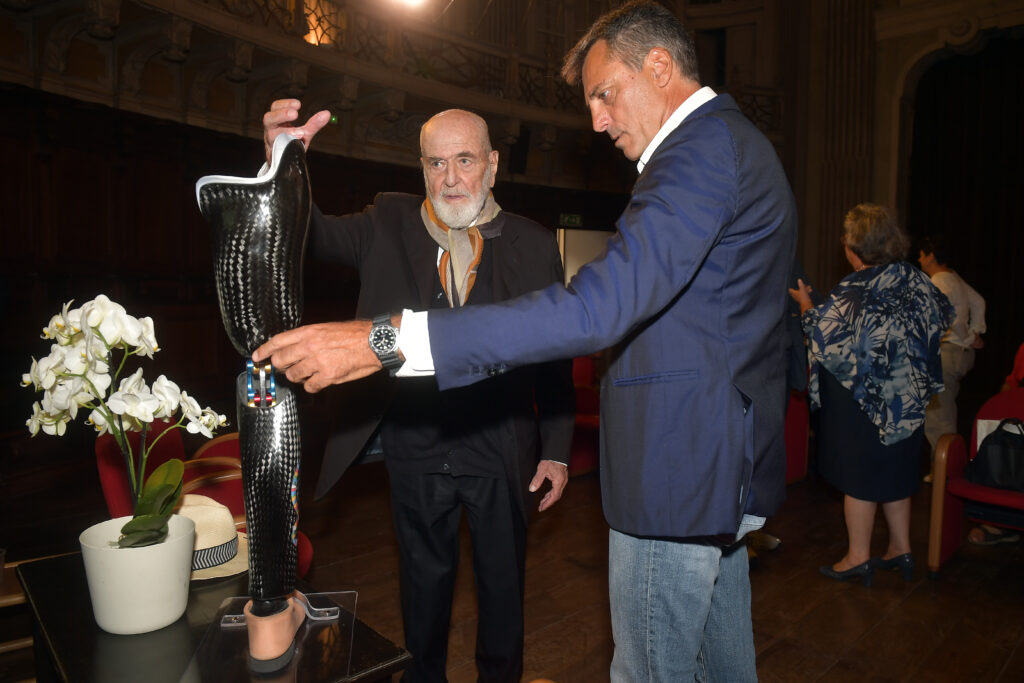
La sua preziosa handbike adagiata sui gradini dell’altare, i compagni della sua ultima avventura, quella paralimpica, a semicerchio attorno alla bara, una folla commossa sul selciato della Basilica di Santa Giustina a Padova. Sono gli ultimi flash di un’epopea da incorniciare, vissuta costantemente sul centesimo di secondo: quella di un’icona, Alex Zanardi. Sfogliando un corposo […]
In teoria, ottenere un ausilio o una protesi attraverso il Servizio sanitario nazionale dovrebbe significare accedere a uno strumento essenziale per la propria autonomia, salute e qualità della vita. Nella pratica, per moltissime persone con disabilità, significa invece affrontare mesi di attese, procedure complesse, costi aggiuntivi e continui compromessi. È il quadro che emerge da […]
A Torino, quello che fino a poco tempo fa era un progetto sperimentale diventa ora una misura strutturale. La Tessera Alias per il trasporto pubblico è stata approvata in via definitiva dalla giunta comunale dopo due anni di sperimentazione, segnando un passaggio importante nel modo in cui le istituzioni affrontano il tema dell’identità di genere […]
C’è una distanza sottile, ma decisiva, tra dichiarare responsabilità e generare impatto. È una distanza che spesso resta invisibile nei discorsi pubblici sulla disabilità, dove le parole si moltiplicano ma i cambiamenti concreti faticano ad arrivare. L’evento in programma l’8 maggio 2026, significativamente intitolato “Dalla responsabilità all’impatto”, prova a collocarsi proprio in questo spazio critico, […]
C’è una parola che ricorre spesso quando si parla di disabilità: inclusione. Il problema è che, troppo spesso, resta una parola. Con l’avvio ufficiale del progetto Agenda della Disabilità, promosso da CPD – Consulta per le Persone in Difficoltà, si apre invece un tentativo concreto — e strutturato — di trasformare quella parola in pratica. […]
Il Met Gala 2026 è, da sempre, uno dei dispositivi culturali più potenti della moda contemporanea. Non è solo una serata: è un filtro attraverso cui passano estetiche, gerarchie, corpi legittimati e corpi esclusi. Per questo, ciò che è accaduto sul red carpet di quest’anno merita di essere osservato con attenzione — e senza retorica. […]
Il 1° maggio dovrebbe essere il giorno in cui la politica si misura con il lavoro reale. Quello fragile, quello precario, quello che non regge la retorica. E invece, anche quest’anno, è diventato altro. A sollevare la questione è stata la giornalista e attivista Valentina Tomirotti, che ha criticato la scelta della presidente del Consiglio […]
La denuncia arriva da TikTok, ma il tema è tutt’altro che episodico. L’attrice statunitense Marissa Bode, 25 anni, nota per il suo ruolo nell’adattamento cinematografico di Wicked, ha raccontato di essere stata esclusa da un volo della compagnia Southern Airways lo scorso 23 aprile a causa della sua disabilità motoria. Secondo quanto riportato anche dalla […]
In Italia esiste un luogo dove la parola “inclusione” non è un principio teorico, ma una pratica quotidiana. Un luogo in cui bambini e bambine, ragazzi e ragazze con patologie gravi o croniche possono vivere esperienze di gioco, relazione e autonomia senza barriere. Quel luogo è Dynamo Camp. E il problema è che, ancora oggi, […]
C’è un punto, spesso invisibile nel dibattito pubblico, in cui si incontrano diritti, scuola e lavoro. È lì che si gioca la vera partita dell’inclusione degli studenti e delle studentesse con disabilità. Ed è proprio lì che interviene – almeno nelle intenzioni – la proposta di legge ora in discussione alla Camera, che punta a […]
Volonwrite
We firmly believe that the internet should be available and accessible to anyone, and are committed to providing a website that is accessible to the widest possible audience, regardless of circumstance and ability.
To fulfill this, we aim to adhere as strictly as possible to the World Wide Web Consortium’s (W3C) Web Content Accessibility Guidelines 2.1 (WCAG 2.1) at the AA level. These guidelines explain how to make web content accessible to people with a wide array of disabilities. Complying with those guidelines helps us ensure that the website is accessible to all people: blind people, people with motor impairments, visual impairment, cognitive disabilities, and more.
This website utilizes various technologies that are meant to make it as accessible as possible at all times. We utilize an accessibility interface that allows persons with specific disabilities to adjust the website’s UI (user interface) and design it to their personal needs.
Additionally, the website utilizes an AI-based application that runs in the background and optimizes its accessibility level constantly. This application remediates the website’s HTML, adapts Its functionality and behavior for screen-readers used by the blind users, and for keyboard functions used by individuals with motor impairments.
If you’ve found a malfunction or have ideas for improvement, we’ll be happy to hear from you. You can reach out to the website’s operators by using the following email
Our website implements the ARIA attributes (Accessible Rich Internet Applications) technique, alongside various different behavioral changes, to ensure blind users visiting with screen-readers are able to read, comprehend, and enjoy the website’s functions. As soon as a user with a screen-reader enters your site, they immediately receive a prompt to enter the Screen-Reader Profile so they can browse and operate your site effectively. Here’s how our website covers some of the most important screen-reader requirements, alongside console screenshots of code examples:
Screen-reader optimization: we run a background process that learns the website’s components from top to bottom, to ensure ongoing compliance even when updating the website. In this process, we provide screen-readers with meaningful data using the ARIA set of attributes. For example, we provide accurate form labels; descriptions for actionable icons (social media icons, search icons, cart icons, etc.); validation guidance for form inputs; element roles such as buttons, menus, modal dialogues (popups), and others. Additionally, the background process scans all the website’s images and provides an accurate and meaningful image-object-recognition-based description as an ALT (alternate text) tag for images that are not described. It will also extract texts that are embedded within the image, using an OCR (optical character recognition) technology. To turn on screen-reader adjustments at any time, users need only to press the Alt+1 keyboard combination. Screen-reader users also get automatic announcements to turn the Screen-reader mode on as soon as they enter the website.
These adjustments are compatible with all popular screen readers, including JAWS and NVDA.
Keyboard navigation optimization: The background process also adjusts the website’s HTML, and adds various behaviors using JavaScript code to make the website operable by the keyboard. This includes the ability to navigate the website using the Tab and Shift+Tab keys, operate dropdowns with the arrow keys, close them with Esc, trigger buttons and links using the Enter key, navigate between radio and checkbox elements using the arrow keys, and fill them in with the Spacebar or Enter key.Additionally, keyboard users will find quick-navigation and content-skip menus, available at any time by clicking Alt+1, or as the first elements of the site while navigating with the keyboard. The background process also handles triggered popups by moving the keyboard focus towards them as soon as they appear, and not allow the focus drift outside it.
Users can also use shortcuts such as “M” (menus), “H” (headings), “F” (forms), “B” (buttons), and “G” (graphics) to jump to specific elements.
We aim to support the widest array of browsers and assistive technologies as possible, so our users can choose the best fitting tools for them, with as few limitations as possible. Therefore, we have worked very hard to be able to support all major systems that comprise over 95% of the user market share including Google Chrome, Mozilla Firefox, Apple Safari, Opera and Microsoft Edge, JAWS and NVDA (screen readers).
Despite our very best efforts to allow anybody to adjust the website to their needs. There may still be pages or sections that are not fully accessible, are in the process of becoming accessible, or are lacking an adequate technological solution to make them accessible. Still, we are continually improving our accessibility, adding, updating and improving its options and features, and developing and adopting new technologies. All this is meant to reach the optimal level of accessibility, following technological advancements. For any assistance, please reach out to