Ci sono canzoni,
parole che restano,
non si sbagliano.
Di un intimo percorso
la costruzione:
a ricordarti chi sei,
a farti poi
scegliere chi essere.
Venerdì (in)Versi – La costruzione
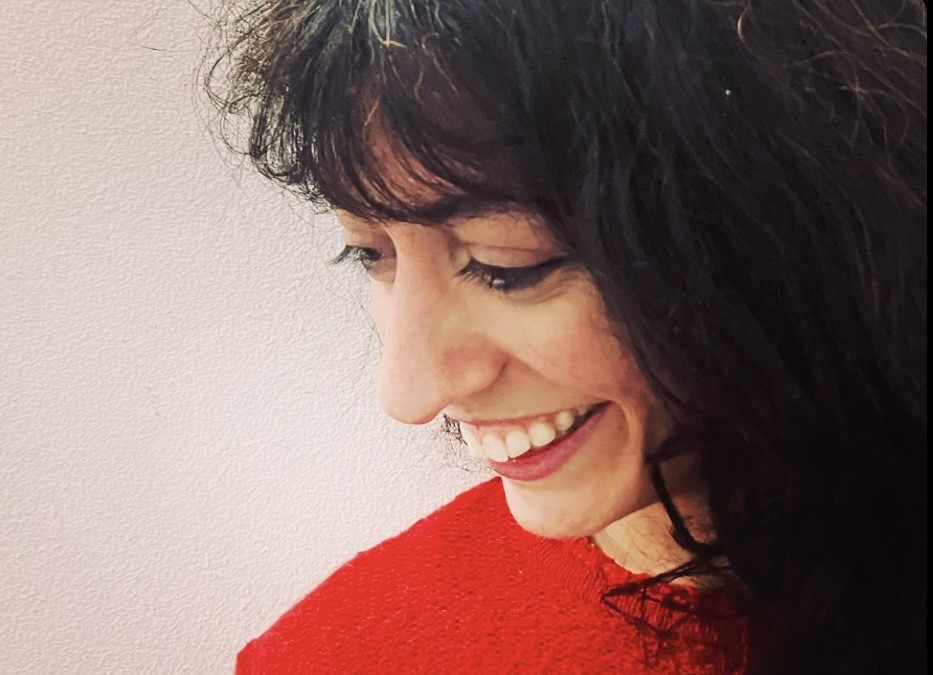
Ci sono canzoni,
parole che restano,
non si sbagliano.
Di un intimo percorso
la costruzione:
a ricordarti chi sei,
a farti poi
scegliere chi essere.
Ancora che sorridi, ancora ne porti il peso. Tu, che ne conosci il valore!
La Regione Piemonte è impegnata a rafforzare il proprio sistema di screening neonatale, con l’obiettivo di ampliare il numero di malattie rare diagnosticate alla nascita e garantire così una presa in carico precoce dei neonati affetti da patologie genetiche.
Marco Berton
La Regione Piemonte compie un passo significativo verso una società più inclusiva con l’istituzione del Disability Manager, figura introdotta con la legge regionale n. 26 del 17 ottobre 2023. L’annuncio è stato al centro della recente seduta della Prima Commissione consiliare, presieduta da Roberto Ravello, durante la quale l’assessore Gianluca Vignale ha illustrato la funzione […]
Marco Berton
“Mi sono sentita rara, diversa, come se fossi l’unica ad avere certi bisogni.” Con queste parole la giornalista e attivista Valentina Tomirotti, voce da anni impegnata sui temi dell’accessibilità e della rappresentazione della disabilità, ha denunciato attraverso i suoi canali social una situazione che definisce “assurda” vissuta lo scorso sabato sera a Milano, città che […]
È disponibile online la nuova brochure informativa sulla riforma della disabilità, uno strumento pensato per spiegare in modo chiaro e accessibile le novità introdotte dal decreto legislativo n. 62 del 2024, che ridisegna profondamente il sistema italiano di riconoscimento e tutela delle persone con disabilità. Il documento, pubblicato sul sito dell’INPS, illustra il nuovo modello […]
L’accessibilità è un diritto fondamentale, ma quando diventa eccesso può trasformarsi in una nuova forma di isolamento. È questa la riflessione che guiderà l’incontro “Quando l’accessibilità rischia di isolare: uso ed abuso delle tecnologie digitali”, organizzato da A.P.R.I. ETS APS nella sede di via Nizza 151, a Torino, dalle ore 9.30 alle 13, sabato 25 […]
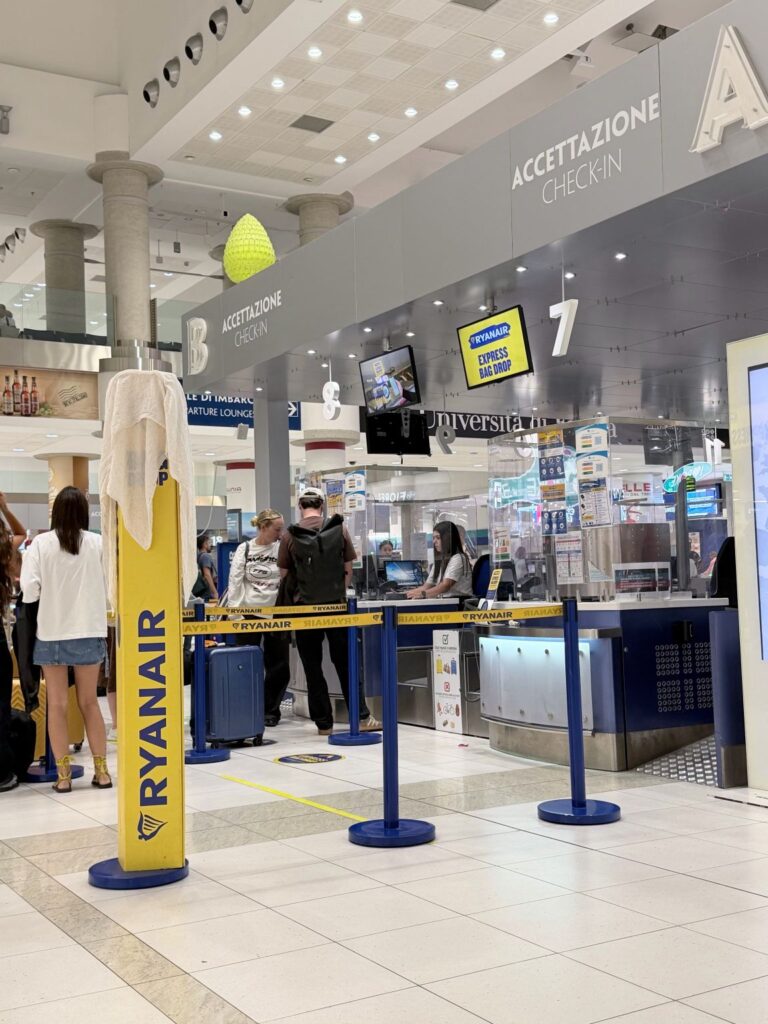
Sempre più persone con disabilità o mobilità ridotta scelgono di viaggiare in aereo.Nel 2023, gli aeroporti italiani hanno accolto oltre 1 milione e 600mila passeggeri con disabilità, a fronte dei 200mila registrati nel 2022. Un incremento significativo che, secondo Mark De Laurentiis, direttore della Direzione Tutela dei Diritti dei Passeggeri dell’ENAC (Ente Nazionale per l’Aviazione […]
Quando nel novembre del 1998 un gruppo di associazioni torinesi si riunì per discutere di violenza sulle donne, la parola “genere” non era ancora entrata nel linguaggio istituzionale. In Italia, il tema restava confinato nei tribunali o nei titoli di cronaca, mentre l’idea di una risposta collettiva, integrata e pubblica sembrava ancora lontana. Eppure, da […]
Usiamo parole semplici, a volte troppo. A volte, è proprio così che succede: che più sono semplici, più è complesso quello che portiamo dentro.
Oltre a cinema, musica e laboratori, il Disability Film Festival 2025, in programma dal 10 al 12 ottobre a Torino presso Off Topic, dedica particolare attenzione a talk e presentazioni di libri, trasformando il dibattito e la riflessione in parte integrante dell’esperienza culturale. Autrici, autori, esperti ed esperte, attivisti e attiviste dialogano con il pubblico […]
Volonwrite
We firmly believe that the internet should be available and accessible to anyone, and are committed to providing a website that is accessible to the widest possible audience, regardless of circumstance and ability.
To fulfill this, we aim to adhere as strictly as possible to the World Wide Web Consortium’s (W3C) Web Content Accessibility Guidelines 2.1 (WCAG 2.1) at the AA level. These guidelines explain how to make web content accessible to people with a wide array of disabilities. Complying with those guidelines helps us ensure that the website is accessible to all people: blind people, people with motor impairments, visual impairment, cognitive disabilities, and more.
This website utilizes various technologies that are meant to make it as accessible as possible at all times. We utilize an accessibility interface that allows persons with specific disabilities to adjust the website’s UI (user interface) and design it to their personal needs.
Additionally, the website utilizes an AI-based application that runs in the background and optimizes its accessibility level constantly. This application remediates the website’s HTML, adapts Its functionality and behavior for screen-readers used by the blind users, and for keyboard functions used by individuals with motor impairments.
If you’ve found a malfunction or have ideas for improvement, we’ll be happy to hear from you. You can reach out to the website’s operators by using the following email
Our website implements the ARIA attributes (Accessible Rich Internet Applications) technique, alongside various different behavioral changes, to ensure blind users visiting with screen-readers are able to read, comprehend, and enjoy the website’s functions. As soon as a user with a screen-reader enters your site, they immediately receive a prompt to enter the Screen-Reader Profile so they can browse and operate your site effectively. Here’s how our website covers some of the most important screen-reader requirements, alongside console screenshots of code examples:
Screen-reader optimization: we run a background process that learns the website’s components from top to bottom, to ensure ongoing compliance even when updating the website. In this process, we provide screen-readers with meaningful data using the ARIA set of attributes. For example, we provide accurate form labels; descriptions for actionable icons (social media icons, search icons, cart icons, etc.); validation guidance for form inputs; element roles such as buttons, menus, modal dialogues (popups), and others. Additionally, the background process scans all the website’s images and provides an accurate and meaningful image-object-recognition-based description as an ALT (alternate text) tag for images that are not described. It will also extract texts that are embedded within the image, using an OCR (optical character recognition) technology. To turn on screen-reader adjustments at any time, users need only to press the Alt+1 keyboard combination. Screen-reader users also get automatic announcements to turn the Screen-reader mode on as soon as they enter the website.
These adjustments are compatible with all popular screen readers, including JAWS and NVDA.
Keyboard navigation optimization: The background process also adjusts the website’s HTML, and adds various behaviors using JavaScript code to make the website operable by the keyboard. This includes the ability to navigate the website using the Tab and Shift+Tab keys, operate dropdowns with the arrow keys, close them with Esc, trigger buttons and links using the Enter key, navigate between radio and checkbox elements using the arrow keys, and fill them in with the Spacebar or Enter key.Additionally, keyboard users will find quick-navigation and content-skip menus, available at any time by clicking Alt+1, or as the first elements of the site while navigating with the keyboard. The background process also handles triggered popups by moving the keyboard focus towards them as soon as they appear, and not allow the focus drift outside it.
Users can also use shortcuts such as “M” (menus), “H” (headings), “F” (forms), “B” (buttons), and “G” (graphics) to jump to specific elements.
We aim to support the widest array of browsers and assistive technologies as possible, so our users can choose the best fitting tools for them, with as few limitations as possible. Therefore, we have worked very hard to be able to support all major systems that comprise over 95% of the user market share including Google Chrome, Mozilla Firefox, Apple Safari, Opera and Microsoft Edge, JAWS and NVDA (screen readers).
Despite our very best efforts to allow anybody to adjust the website to their needs. There may still be pages or sections that are not fully accessible, are in the process of becoming accessible, or are lacking an adequate technological solution to make them accessible. Still, we are continually improving our accessibility, adding, updating and improving its options and features, and developing and adopting new technologies. All this is meant to reach the optimal level of accessibility, following technological advancements. For any assistance, please reach out to