Per la forza che serve
a superare
le paure ed il dolore,
Per ciò che è stato.
E per la vita,
in quell’andare avanti.
Altrove non è altro
che dentro se stessi.
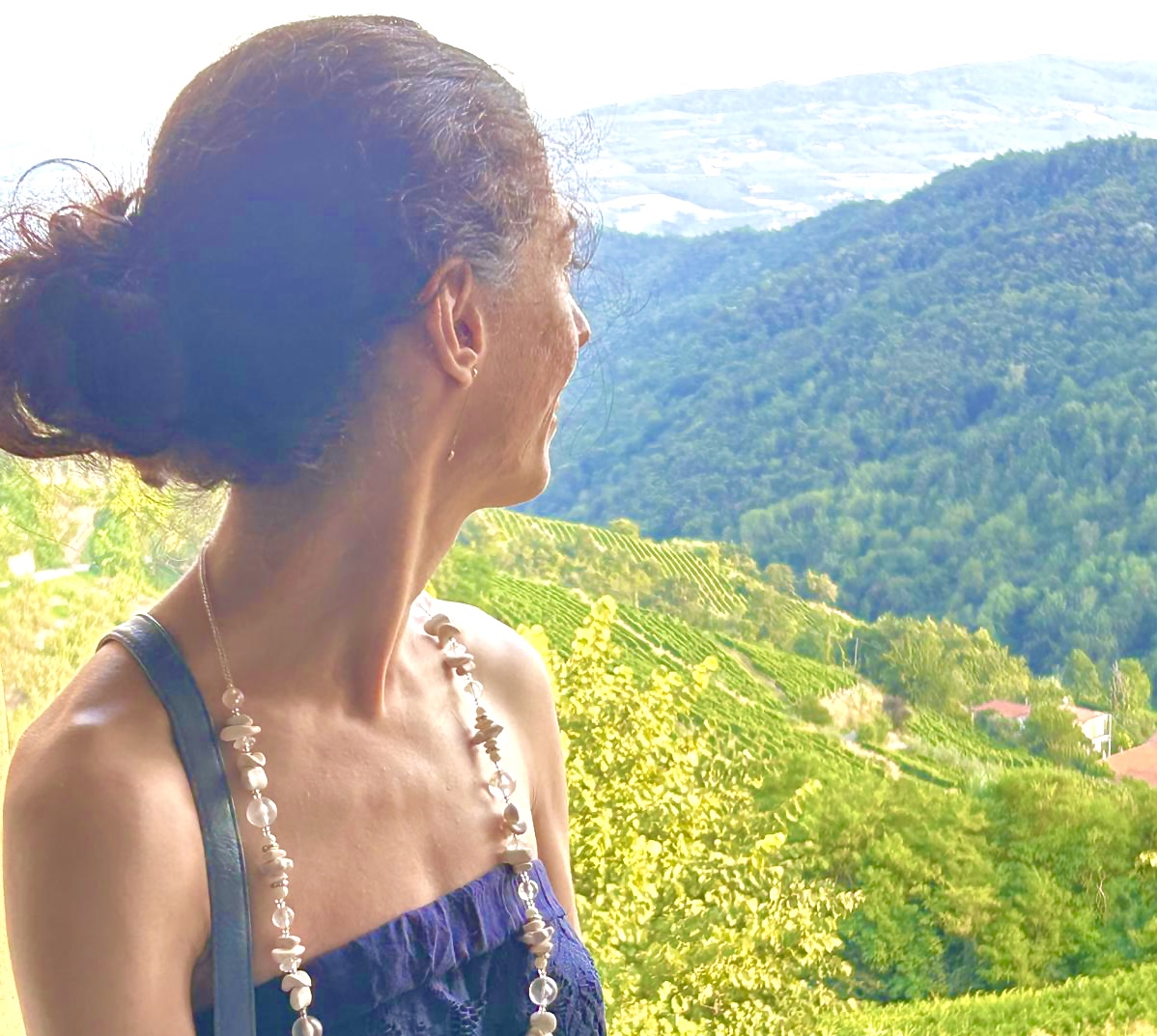
Per la forza che serve
a superare
le paure ed il dolore,
Per ciò che è stato.
E per la vita,
in quell’andare avanti.
Altrove non è altro
che dentro se stessi.

Tante emozioni, medaglie, grandi imprese, recriminazioni: il tutto in una cornice di prestazioni sportive di livello, ovviamente. È il quadro emotivo e tecnico di queste prime tre giornate e di queste attese Paralimpiadi italiane. Il bianco della neve irradiato dalla tv al mattino trasmette un mix di sensazioni che s’intersecano tra loro: serenità data dalle […]
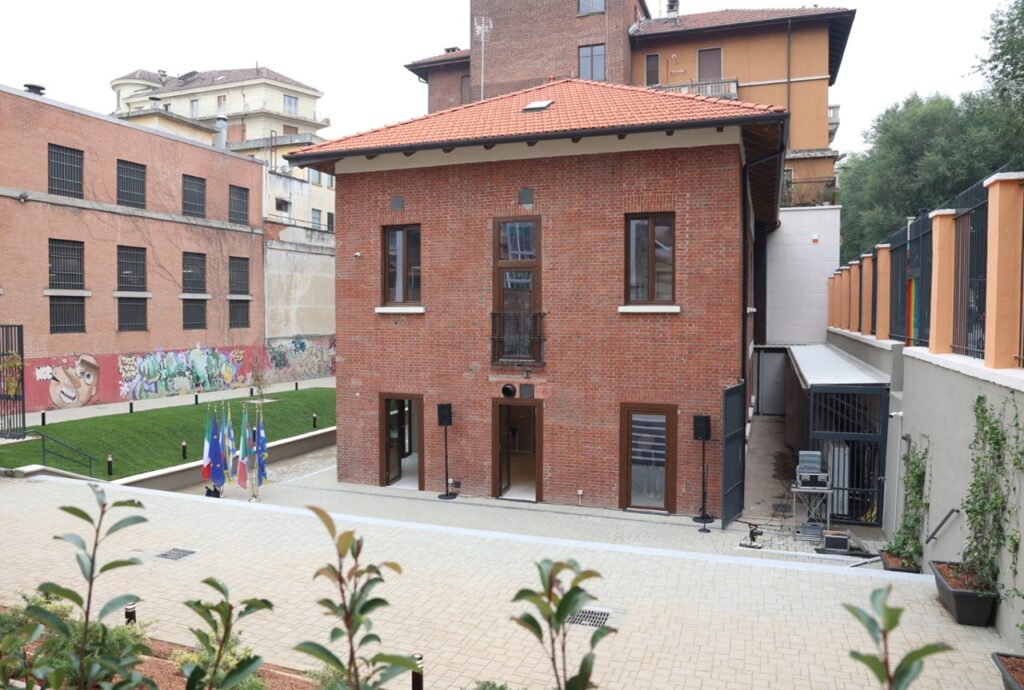
Una giornata di arte, creatività e consapevolezza aperta alla città. Il 9 marzo il Servizio Passepartout del Comune di Torino ospita “A mano a mano – può nascere un fiore”, un evento pubblico che intreccia laboratori artistici, momenti di riflessione e spazi di ascolto dedicati al benessere psicologico e all’espressione personale. L’iniziativa è promossa dal […]
La seconda serata del Festival di Sanremo ha riportato al centro del dibattito pubblico un tema che in Italia continua a essere raccontato in modo ambivalente: la presenza delle persone con disabilità nei grandi eventi mediatici. L’esibizione del coro Anffas Nazionale, composto da persone con disabilità intellettive e disturbi del neurosviluppo insieme a persone senza […]
Le Olimpiadi invernali Milano-Cortina sono entrate nel vivo e, insieme alle competizioni, stanno mostrando un’altra trasformazione silenziosa ma strategica: quella della mobilità urbana. Milano si presenta ai Giochi come una città sempre più accessibile e orientata al modello smart city, grazie a un massiccio intervento di rinnovamento della mobilità verticale. Sono 140 tra nuovi ascensori […]
Non basta dire che “il servizio è stato comunque garantito”.Se l’accesso avviene in condizioni diverse, meno dignitose e meno autonome, la differenza pesa. E può diventare discriminazione. Con la sentenza del 27 gennaio 2026, il Tribunale ordinario di Roma, Sezione Diritti della Persona e Immigrazione, ha stabilito che l’inaccessibilità materiale di un ufficio pubblico integra […]
Il diritto alla vita indipendente passa anche dal conto corrente.È da questa evidenza, spesso rimossa dal dibattito pubblico, che nasce la petizione lanciata da Iacopo Melio, attivista per i diritti delle persone con disabilità, giornalista, fondatore della Onlus Vorrei prendere il treno e consigliere regionale della Toscana. L’obiettivo è chiaro: raddoppiare gli importi delle pensioni […]
La rivoluzione non sempre arriva con un manifesto. A volte entra in scena senza annunciarlo. È quello che accade in Bridgerton, dove la disabilità compare in modo inedito per una serie ambientata in epoca Regency. Non è un dettaglio marginale. È un cambio di prospettiva. Per secoli, nei racconti ambientati nel passato, la disabilità è […]
All’indomani della cerimonia olimpica tenutasi allo stadio San Siro, emergono criticità legate all’accessibilità dell’evento per le persone con disabilità. A segnalarle è Lisa Noja, consigliera regionale della Lombardia, che ha raccontato pubblicamente quanto accaduto durante l’ingresso e la permanenza allo stadio. «Si leggono centinaia di commenti su tutti gli aspetti della cerimonia di inaugurazione delle […]
Ti meriti questo. Un amore che freme, di baci e carezze… Con i suoi sguardi complici, i gesti e le parole che dicono la stessa cosa. Fiero, nel mostrarsi!
L’Espressionismo non nasce come stile, ma come necessità. Una necessità che riguarda la crisi dell’idea moderna di soggetto: razionale, coerente, autonomo. Tra la fine dell’Ottocento e l’inizio del Novecento, questa immagine si incrina sotto il peso di trasformazioni violente – industrializzazione, urbanizzazione, nascita delle masse, nuove teorie psichiatriche e psicoanalitiche, dissoluzione dei sistemi morali tradizionali. […]
Volonwrite
We firmly believe that the internet should be available and accessible to anyone, and are committed to providing a website that is accessible to the widest possible audience, regardless of circumstance and ability.
To fulfill this, we aim to adhere as strictly as possible to the World Wide Web Consortium’s (W3C) Web Content Accessibility Guidelines 2.1 (WCAG 2.1) at the AA level. These guidelines explain how to make web content accessible to people with a wide array of disabilities. Complying with those guidelines helps us ensure that the website is accessible to all people: blind people, people with motor impairments, visual impairment, cognitive disabilities, and more.
This website utilizes various technologies that are meant to make it as accessible as possible at all times. We utilize an accessibility interface that allows persons with specific disabilities to adjust the website’s UI (user interface) and design it to their personal needs.
Additionally, the website utilizes an AI-based application that runs in the background and optimizes its accessibility level constantly. This application remediates the website’s HTML, adapts Its functionality and behavior for screen-readers used by the blind users, and for keyboard functions used by individuals with motor impairments.
If you’ve found a malfunction or have ideas for improvement, we’ll be happy to hear from you. You can reach out to the website’s operators by using the following email
Our website implements the ARIA attributes (Accessible Rich Internet Applications) technique, alongside various different behavioral changes, to ensure blind users visiting with screen-readers are able to read, comprehend, and enjoy the website’s functions. As soon as a user with a screen-reader enters your site, they immediately receive a prompt to enter the Screen-Reader Profile so they can browse and operate your site effectively. Here’s how our website covers some of the most important screen-reader requirements, alongside console screenshots of code examples:
Screen-reader optimization: we run a background process that learns the website’s components from top to bottom, to ensure ongoing compliance even when updating the website. In this process, we provide screen-readers with meaningful data using the ARIA set of attributes. For example, we provide accurate form labels; descriptions for actionable icons (social media icons, search icons, cart icons, etc.); validation guidance for form inputs; element roles such as buttons, menus, modal dialogues (popups), and others. Additionally, the background process scans all the website’s images and provides an accurate and meaningful image-object-recognition-based description as an ALT (alternate text) tag for images that are not described. It will also extract texts that are embedded within the image, using an OCR (optical character recognition) technology. To turn on screen-reader adjustments at any time, users need only to press the Alt+1 keyboard combination. Screen-reader users also get automatic announcements to turn the Screen-reader mode on as soon as they enter the website.
These adjustments are compatible with all popular screen readers, including JAWS and NVDA.
Keyboard navigation optimization: The background process also adjusts the website’s HTML, and adds various behaviors using JavaScript code to make the website operable by the keyboard. This includes the ability to navigate the website using the Tab and Shift+Tab keys, operate dropdowns with the arrow keys, close them with Esc, trigger buttons and links using the Enter key, navigate between radio and checkbox elements using the arrow keys, and fill them in with the Spacebar or Enter key.Additionally, keyboard users will find quick-navigation and content-skip menus, available at any time by clicking Alt+1, or as the first elements of the site while navigating with the keyboard. The background process also handles triggered popups by moving the keyboard focus towards them as soon as they appear, and not allow the focus drift outside it.
Users can also use shortcuts such as “M” (menus), “H” (headings), “F” (forms), “B” (buttons), and “G” (graphics) to jump to specific elements.
We aim to support the widest array of browsers and assistive technologies as possible, so our users can choose the best fitting tools for them, with as few limitations as possible. Therefore, we have worked very hard to be able to support all major systems that comprise over 95% of the user market share including Google Chrome, Mozilla Firefox, Apple Safari, Opera and Microsoft Edge, JAWS and NVDA (screen readers).
Despite our very best efforts to allow anybody to adjust the website to their needs. There may still be pages or sections that are not fully accessible, are in the process of becoming accessible, or are lacking an adequate technological solution to make them accessible. Still, we are continually improving our accessibility, adding, updating and improving its options and features, and developing and adopting new technologies. All this is meant to reach the optimal level of accessibility, following technological advancements. For any assistance, please reach out to